📅 July 2026 Update: Demand for professional customs brokerage has surged as the trade environment grows more complex. Section 301 tariffs (7.5–25% + sector rates up to 100%), UFLPA enforcement, the de minimis suspension, and widespread bond insufficiency notices have made licensed customs brokers indispensable for any serious U.S. importer.
What Are Customs Brokerage Services?
Customs brokerage services are provided by CBP-licensed professionals who specialize in managing the import and export process on behalf of businesses and individuals. A licensed customs broker acts as your legal agent with CBP — filing entries, classifying goods, calculating duties, and ensuring your shipments comply with all applicable U.S. import regulations.
Customs brokers are licensed by CBP under 19 CFR Part 111. They must pass a rigorous CBP licensing exam covering HTS classification, valuation, entry procedures, CBP regulations, and related trade law. Their expertise and CBP system access are not replicable by general freight forwarders or in-house staff without specialized training.
Key Customs Brokerage Services
- HTS Classification: Determining the correct 10-digit harmonized tariff code for every product — the foundation of accurate duty calculation
- Customs Entry Filing (ACE): Electronic submission of all required entry data to CBP through the Automated Commercial Environment
- Duty Calculation: Calculating MFN duties + Section 301 tariffs + ADD/CVD + MPF/HMF + any other applicable fees
- Bond Management: Obtaining and maintaining the correct customs bond (single entry or continuous), sizing it correctly for your import volume
- Regulatory Compliance: FDA Prior Notice, USDA permits, UFLPA supply chain documentation, FCC compliance for electronics, EPA compliance for vehicles
- ISF Filing: Importer Security Filing for ocean shipments — 24 hours before vessel loading
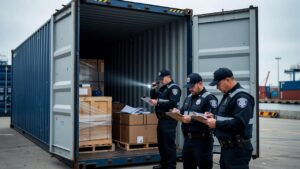
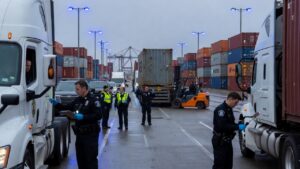
- Exam Coordination: Coordinating with CBP during physical or X-ray examinations, minimizing delay and demurrage costs
- Post-Entry Services: Filing protests, duty drawback claims, prior disclosures, and binding ruling requests
Why Customs Brokerage Matters More Than Ever in 2025–2026
The ROI on professional customs brokerage is higher today than at any point in the past decade. Here’s why:
Tariff complexity: Section 301 tariffs, ADD/CVD orders, and ongoing USTR investigations create a layered duty system that’s nearly impossible to navigate accurately without specialized expertise. A single HTS misclassification can cost tens of thousands of dollars in underpaid duties plus penalties.
De minimis is gone: The global suspension of the $800 duty-free exemption means millions of shipments that previously required zero customs involvement now need full professional brokerage. Small e-commerce sellers and direct-to-consumer importers face this challenge most acutely.
UFLPA enforcement: Brokers are experienced in assembling the supply chain documentation needed to overcome the Xinjiang forced-labor presumption — a process that requires knowledge of CBP’s specific evidentiary standards.
Bond right-sizing: Many importers received ‘bond insufficient’ notices from CBP in 2025. A licensed broker proactively monitors your duty obligation and recommends bond adjustments before CBP issues a notice.
How to Choose the Right Customs Broker
- CBP License Verification: Verify that the broker holds a valid CBP customs broker license. You can confirm via CBP’s online license lookup.
- Industry Experience: Does the broker specialize in your product category? FDA-regulated goods, textile imports, and automotive parts all have specialized compliance requirements.
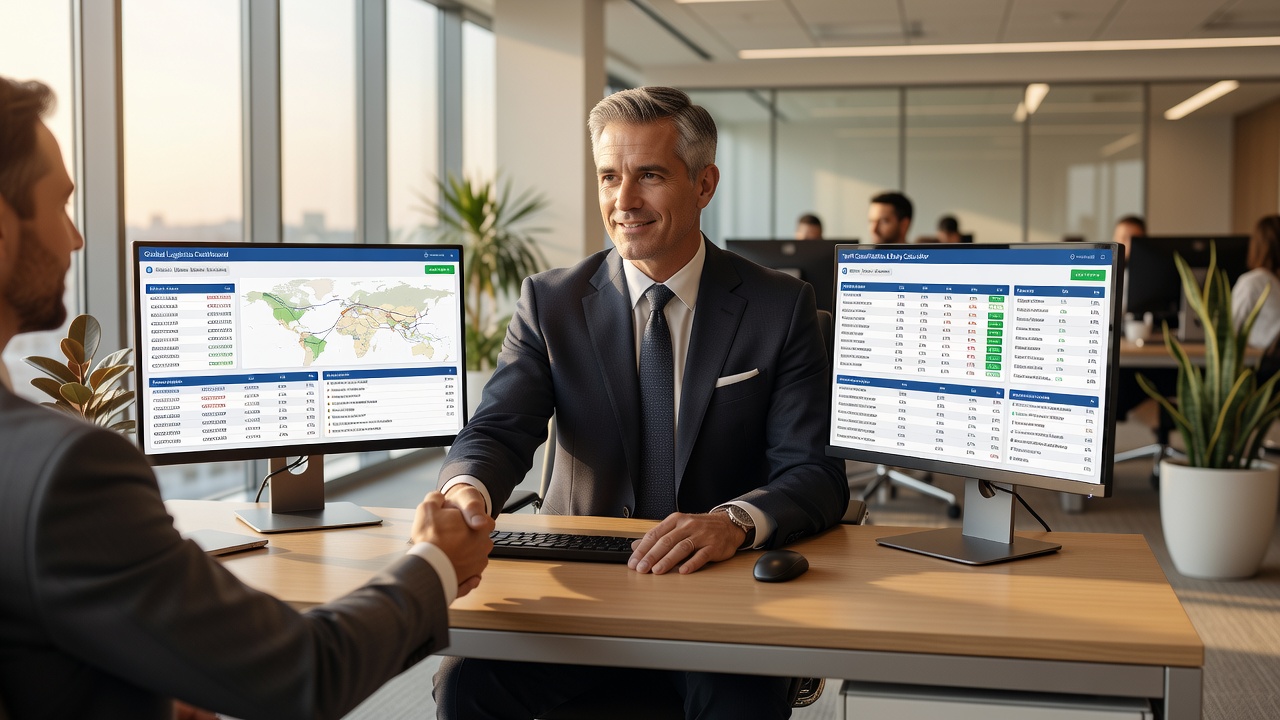
- Technology: Does the broker use modern ACE-integrated software? Real-time entry tracking and digital document management reduce errors and processing time.
- Port Coverage: Can the broker handle your shipments at all ports where you receive cargo?
- Response Time: For air freight and time-sensitive ocean cargo, broker responsiveness during CBP exam situations is critical.
Work With a Licensed U.S. Customs Broker
FreightClear.com’s team of licensed U.S. customs brokers provides end-to-end import support — from pre-shipment tariff planning to final clearance at all major U.S. ports and airports.