The Basics of Customs Clearance
Step-by-Step: The U.S. Customs Clearance Process
Step 2 — Prepare documentation: Commercial invoice (detailed description, quantity, unit price, total value, country of origin, HTS codes), packing list, bill of lading (ocean) or air waybill (air), and any required permits or licenses (FDA Prior Notice, USDA APHIS permit, etc.).
Step 3 — File ISF (ocean only): Importer Security Filing must be submitted to CBP at least 24 hours before vessel loading at the foreign port. Late/inaccurate ISF = $5,000+ penalty per violation.
Step 4 — File the customs entry in ACE: Your customs broker files the formal entry (or informal entry for sub-$2,500 shipments) through CBP’s Automated Commercial Environment. CBP reviews and assigns a status: Released, Selected for Exam, or Held for Review.
Step 5 — Calculate and pay duties: Base MFN duty + Section 301 (if China origin) + ADD/CVD (if applicable) + Merchandise Processing Fee (0.3464%, min $31.67, max $614.35) + Harbor Maintenance Fee for ocean (0.125%).
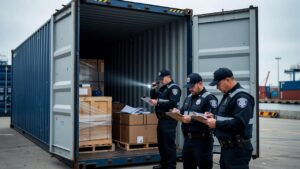
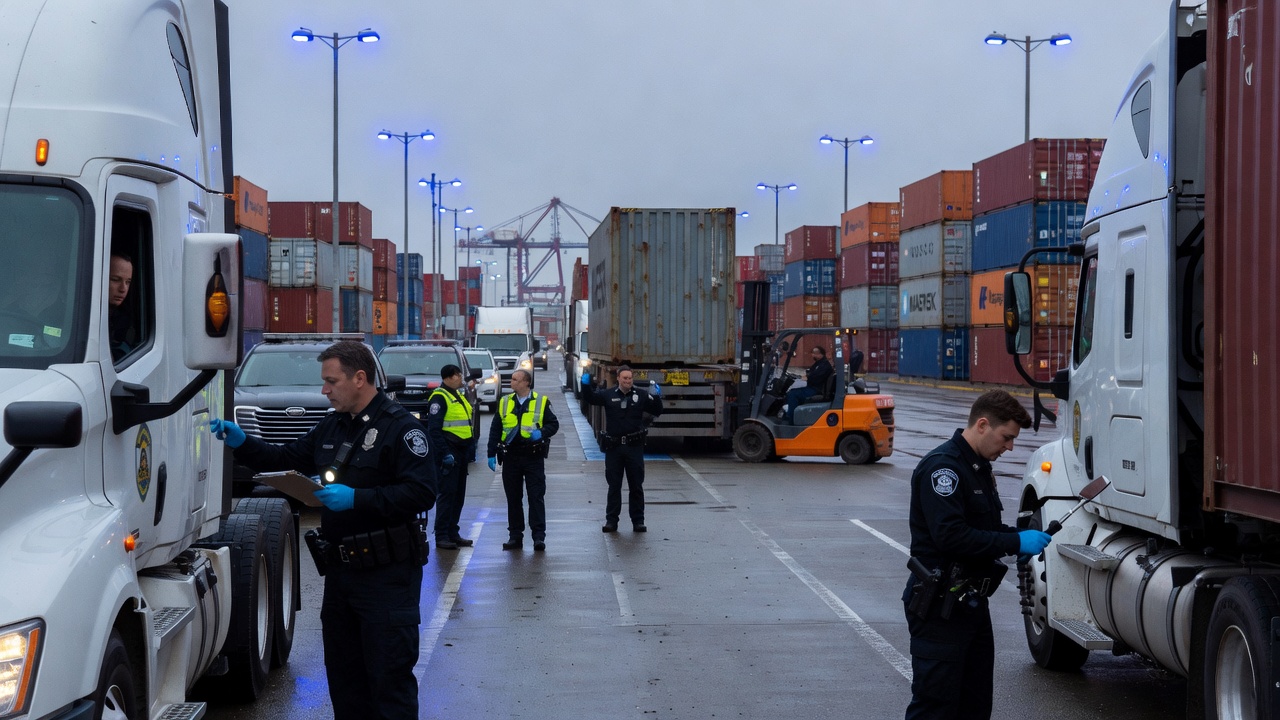
Step 6 — CBP examination (if selected): Tailgate exams take 1–2 hours; intensive exams can take 1–5 days. Exam fees are paid by the importer. Planning for potential exam delays is essential, especially for time-sensitive shipments.
Step 7 — Release and delivery: Once CBP releases the entry, the carrier or freight forwarder coordinates final delivery.
Required Documentation for U.S. Customs Entry
- Commercial Invoice: Must include: seller and buyer details, shipment date, description of goods, quantity, unit price, total value, currency, country of manufacture, HTS code(s), and applicable trade terms (Incoterms)
- Packing List: Detailed breakdown of each package — contents, dimensions, gross and net weights
- Bill of Lading / Air Waybill: The shipping contract between shipper and carrier — required for entry filing
- Importer of Record Documents: CBP Form 5106 (Importer ID Input Record), valid U.S. EIN/SSN
- Permits and Licenses: As required by the product: FDA Prior Notice (food), DEA permit (controlled substances), EPA Form 3520-1 (vehicles), USDA APHIS permit (plants/animals)
Common Issues and How to Avoid Them
- Incorrect HTS classification: Results in underpaid duties, CBP penalty assessment, and potential fraud allegations. Pre-classify every product before importing.
- Incomplete documentation: Missing invoice line items, wrong country of origin, absent permits — any of these can cause holds or refusal. Verify documents before cargo departs the foreign port.
- Bond insufficiency: If your continuous bond doesn’t cover your duty liability, CBP will not release your goods. Review your bond annually — especially if you’ve shifted to higher-duty products.
- UFLPA holds: Goods with any Xinjiang/China connection face heightened scrutiny. Document your supply chain thoroughly before importing.
- Valuation errors: Undervalued invoices or related-party transaction pricing without customs value adjustments are major audit triggers.