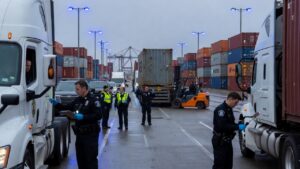
Published July 13, 2026. CBP exam rates are at their highest levels in years. Understanding exam types, costs, and selection factors — and how to minimize your risk — can save importers thousands of dollars per shipment.
Why CBP Examinations Are Increasing in 2025–2026
U.S. Customs and Border Protection (CBP) has significantly increased physical and non-intrusive examination (NIE) rates in 2025–2026. Driving factors include: expanded Section 301 and ADD/CVD enforcement, UFLPA supply chain investigations, post-de minimis volume increases requiring more scrutiny, and Congressional pressure to enforce trade remedies more aggressively.
For importers, this means a higher probability that any given shipment will be selected for examination — and a need to budget for exam fees, storage costs, and potential delivery delays when planning import programs.
Types of CBP Examinations — Costs and What to Expect
Tailgate Examination
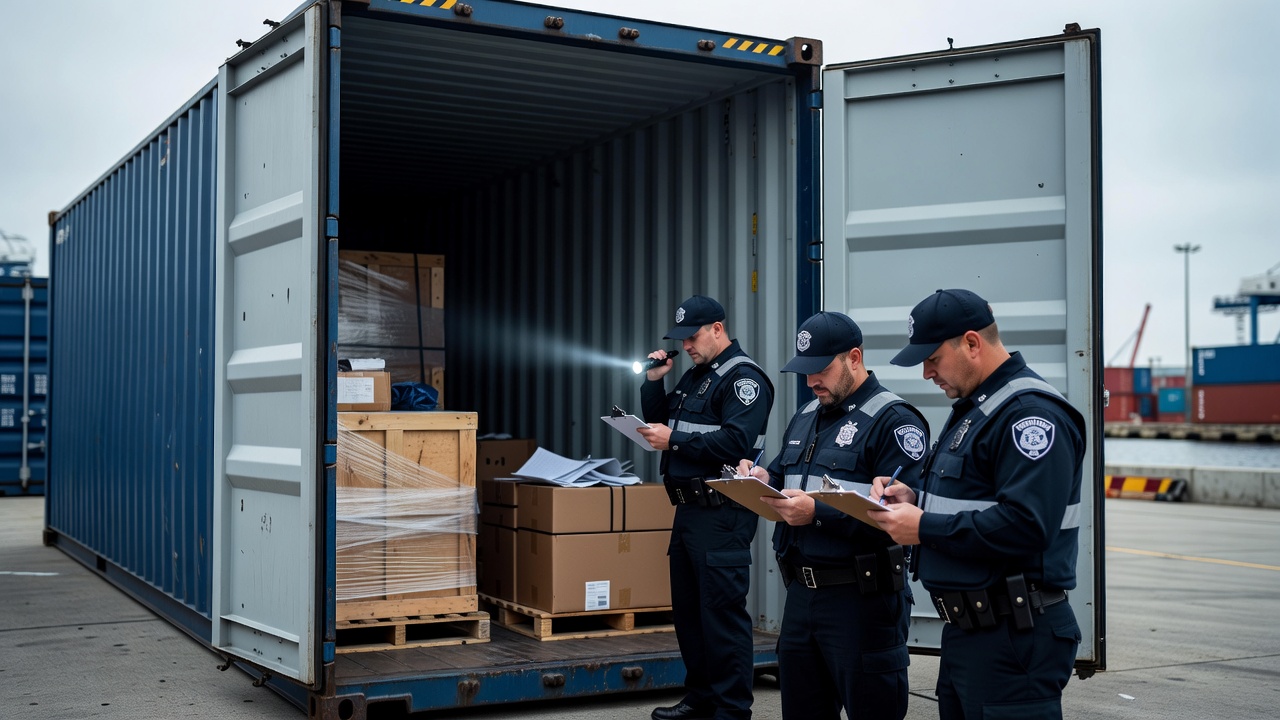
The least intensive and fastest exam type. CBP officers open the container doors and visually inspect the contents without fully unloading the cargo. Typically completed within 2–4 hours. Cost: $200–$500 in terminal handling fees (varies by port and terminal). This exam type is used for low-risk screening and quick verification of manifest accuracy.
Intensive (Devanning) Examination
CBP officers fully unload the container and physically inspect all cargo. This process takes 1–3 days and requires the container to be moved to a CFS (Container Freight Station) or exam site. Cost: $800–$3,000+ including CFS fees, unloading labor, repacking, and storage. Can be much higher for large LCL or FCL shipments with mixed cargo.
X-Ray / NII (Non-Intrusive Inspection)
Cargo passes through a large-format X-ray scanner while in the container. Typically completed within hours of arrival. Cost: $200–$500 in terminal handling, but if X-ray triggers further review, an intensive exam may follow. NII is increasingly used as a first-pass screening tool at major ports.
VACIS / Gamma-Ray Examination
Similar to NII but uses gamma-ray imaging technology for higher-density cargo. Cost and timeline similar to X-ray exams. Often used for commercial vehicles, machinery, and heavy industrial cargo.
Laboratory Analysis
For goods subject to FDA, USDA, or CBP composition testing — textiles (fiber content), food products (ingredient verification), chemicals — samples may be taken for laboratory analysis. Timeline: 7–30 days for results. Cargo is typically held in a bonded facility during this period, accruing storage fees. Cost: $500–$5,000+ including lab fees and storage.
Who Pays for Customs Examinations?
The importer pays for all costs associated with CBP-directed examinations. This includes: terminal handling to move the container to the exam site, CFS/devanning fees (for intensive exams), storage/demurrage during the exam period, repacking and re-sealing after exam, and any laboratory analysis fees. CBP itself does not charge for the exam — but the logistics costs fall entirely on the importer.
For ocean freight, demurrage (the carrier’s charge for holding the container beyond the free time period) can be substantial. At major ports like LA/Long Beach or New York/NJ, demurrage rates of $150–$450 per day per container are common after the 4-5 day free period expires. An intensive exam that takes 3–5 days to complete can easily add $1,000–$2,000 in demurrage alone.
How CBP Selects Shipments for Examination
CBP uses its Automated Targeting System (ATS) to assign a risk score to every inbound shipment based on ISF data and entry filing data. Higher-risk scores trigger exam selection. Key factors that elevate your risk score:
- Late or inaccurate ISF: One of the strongest predictors of exam selection. File ISF accurately, 24+ hours before loading.
- China origin with Section 301 tariff exposure: High-duty goods from high-scrutiny origins receive elevated ATS scores
- Products subject to ADD/CVD orders: CBP prioritizes verification of correct classification and origin for ADD/CVD goods
- New importer, new supplier, or new product: No prior shipment history = higher risk scoring
- Intelligence-driven targeting: CBP receives tips from trade associations, U.S. manufacturers, and other agencies about suspected duty evasion or smuggling
- Random selection: A percentage of shipments are selected randomly regardless of risk score — there is no way to eliminate exam risk entirely
How to Minimize Your Exam Rate
- File ISF accurately and on time: The single most impactful thing you can do. Accurate ISF data = lower ATS risk score = lower exam probability.
- Use consistent, verified HTS codes: Inconsistent classification triggers scrutiny. Establish your HTS codes, document your methodology, and use them consistently.
- Pursue C-TPAT certification: Customs-Trade Partnership Against Terrorism membership reduces exam rates significantly. C-TPAT partners receive priority processing and fewer exam selections — typically 50–70% lower exam rates than non-members.
- Maintain a clean compliance record: Importers with a history of accurate entries, on-time ISF filings, and no penalty history receive more favorable ATS treatment.
- Use established trade lanes and carriers: Known carriers with strong compliance records provide some downstream benefit for associated cargo.
- Work with a licensed customs broker: Accurate entry data filed by an experienced broker is one of the strongest inputs to a favorable ATS risk assessment.
Reduce Your Exam Rate With Expert Customs Brokerage
FreightClear.com’s licensed customs brokers file accurate ISF and entry data that minimizes your ATS risk score — reducing exam selection rates and keeping your shipments moving. When exams do happen, we coordinate directly with CBP to minimize delays.