Published July 13, 2026. The Uyghur Forced Labor Prevention Act (UFLPA) is one of the most consequential U.S. trade enforcement laws of the decade. This guide covers everything importers need to know to avoid shipment seizures and CBP holds.
What Is the Uyghur Forced Labor Prevention Act (UFLPA)?
Signed into law on December 23, 2021 and fully enforced beginning June 21, 2022, the UFLPA (Public Law 117-78) establishes a rebuttable presumption that any goods mined, produced, or manufactured wholly or in part in the Xinjiang Uyghur Autonomous Region of China — or by entities on the UFLPA Entity List — were produced with forced labor and are therefore prohibited from importation into the United States under 19 U.S.C. § 1307.
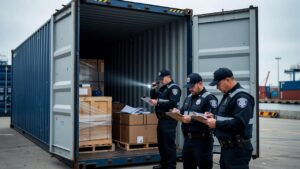
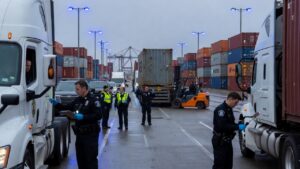
This is not a targeted enforcement action against specific companies — it is a blanket presumption that applies to all goods with Xinjiang connections, regardless of the importer’s knowledge or intent. If CBP determines that any component, raw material, or input in your supply chain originates from Xinjiang, your shipment can be detained or seized at any U.S. port of entry.
The UFLPA Entity List and High-Priority Sectors
UFLPA Entity List
USTR and DHS maintain an UFLPA Entity List of companies operating in Xinjiang that are identified as sourcing from state-sponsored labor transfer programs, using prison labor, or otherwise participating in forced labor practices. Goods from any listed entity face automatic detention — with essentially no path to rebuttal. As of mid-2026, the list contains hundreds of entities spanning cotton, polysilicon, tomatoes, steel, and electronics.
High-Priority Sectors
CBP has identified the following as high-priority enforcement sectors under UFLPA:
- Cotton and apparel: Xinjiang produces approximately 85% of China’s cotton. Any garment or textile product with Chinese cotton content faces heightened scrutiny.
- Polysilicon and solar panels: Xinjiang produces over 40% of global polysilicon. Solar panels, modules, and cells with Chinese-origin polysilicon are priority enforcement items.
- Tomato products: Canned tomatoes, tomato paste, and related products from China.
- Steel and aluminum: Products with Chinese-origin steel or aluminum components.
- Electronics: Semiconductors, circuit boards, and electronic components with Xinjiang-linked manufacturing.
What CBP Looks For — The Rebuttable Presumption in Practice
When CBP selects a shipment for UFLPA review, the importer must affirmatively demonstrate by ‘clear and convincing evidence’ that the goods were not produced with forced labor. This is an extremely high evidentiary standard — much higher than the typical preponderance of evidence standard used in civil proceedings.
CBP specifically evaluates:
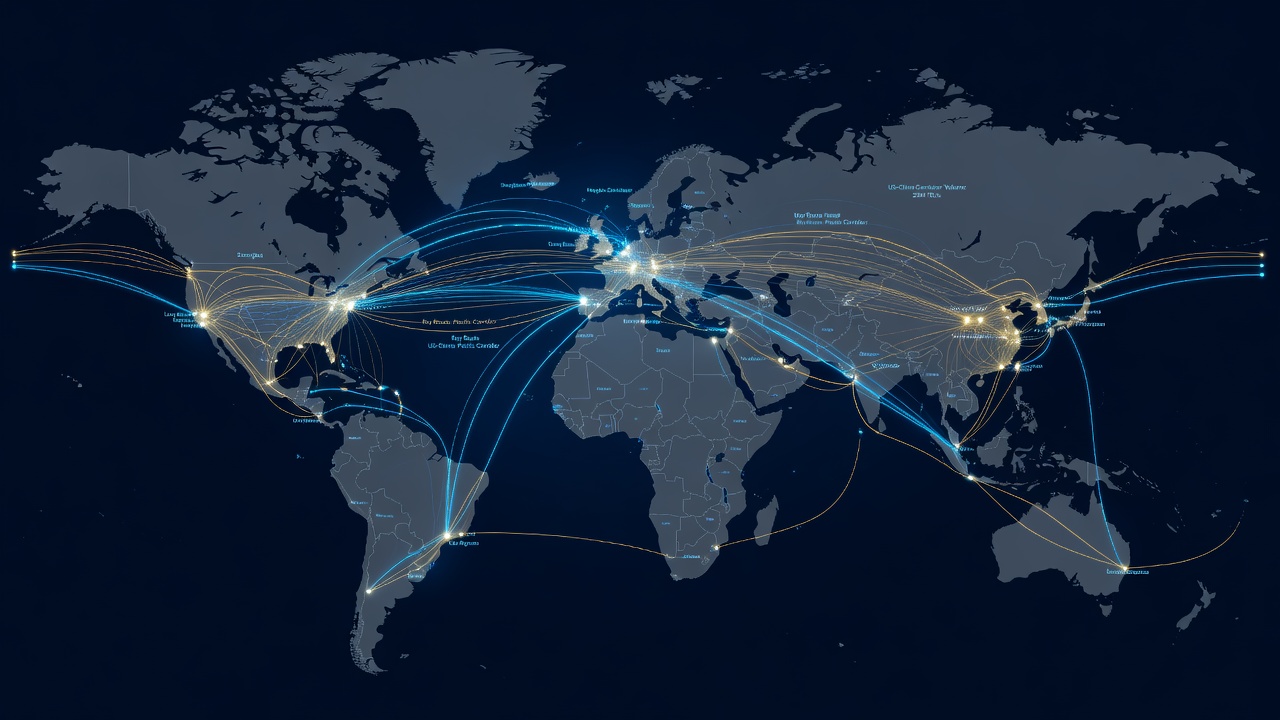
- Complete supply chain mapping — from raw material extraction through every processing stage to the finished good
- Facility locations and ownership structures for all suppliers, sub-suppliers, and input providers
- Worker recruitment records demonstrating no labor transfer program participation
- Evidence of voluntary employment — contracts, wage records, freedom of movement documentation
- Third-party audit reports from CBP-recognized auditing standards
How to Overcome the UFLPA Presumption
To successfully rebut the UFLPA presumption and secure release of detained goods, importers must provide CBP with a comprehensive documentation package. CBP’s UFLPA Operational Guidance specifies the following evidence categories:
1. Supply Chain Traceability
A complete chain-of-custody document trail from raw material to finished product, linking each stage of production to a specific facility, location, and date. For cotton goods, this means fiber-to-shelf traceability. For electronics, component-level bills of materials. 2. Supplier Due Diligence
Evidence that you have conducted reasonable due diligence on your entire supply chain — including Tier 2 and Tier 3 suppliers — and have identified and mitigated any Xinjiang connection. 3. Third-Party Audits
Independent audit reports from recognized social compliance audit firms covering suppliers’ labor practices, hiring procedures, and worker freedom of movement. 4. Response Time
CBP gives importers 30 days to respond to a UFLPA detention with the required documentation. Missing this deadline results in automatic exclusion or seizure of the goods.
A complete chain-of-custody document trail from raw material to finished product, linking each stage of production to a specific facility, location, and date. For cotton goods, this means fiber-to-shelf traceability. For electronics, component-level bills of materials. 2. Supplier Due Diligence
Evidence that you have conducted reasonable due diligence on your entire supply chain — including Tier 2 and Tier 3 suppliers — and have identified and mitigated any Xinjiang connection. 3. Third-Party Audits
Independent audit reports from recognized social compliance audit firms covering suppliers’ labor practices, hiring procedures, and worker freedom of movement. 4. Response Time
CBP gives importers 30 days to respond to a UFLPA detention with the required documentation. Missing this deadline results in automatic exclusion or seizure of the goods.
Practical Steps for UFLPA Compliance
- Map your supply chain now: Don’t wait for a CBP detention. Map every Tier 1, 2, and 3 supplier for your top products — particularly any with Chinese inputs.
- Screen suppliers against the UFLPA Entity List: CBP publishes the list at dhs.gov/uflpa. Run every supplier name through this list before placing orders.
- Shift sourcing away from Xinjiang-linked suppliers: For cotton, polysilicon, and other high-priority sectors, the most reliable compliance strategy is sourcing diversification — not documentation efforts after the fact.
- Obtain COTTONUSA or Better Cotton certification: For apparel importers, recognized certification programs can support (but not alone satisfy) UFLPA rebuttal efforts.
- Work with a customs broker experienced in UFLPA: The documentation requirements are extensive and CBP-specific. An experienced broker can guide the response process and reduce detention time.
UFLPA Compliance Support — Protect Your Supply Chain
FreightClear.com’s licensed customs brokers help importers assess UFLPA risk, build supply chain documentation packages, and respond to CBP detention notices. Don’t wait for a hold — act proactively.