Published July 13, 2026. Amazon FBA sellers who import from China face a fundamentally changed landscape in 2025–2026: de minimis is gone, Section 301 tariffs apply to most products, and CBP enforcement is at an all-time high. Here’s your complete compliance guide.
FBA Importing in 2025–2026: What Changed
Amazon FBA (Fulfilled by Amazon) sellers who import from overseas — particularly from China — have been hit hard by a wave of trade policy changes in 2025–2026. If you were relying on the $800 de minimis threshold to avoid customs duties on small test shipments, or using China-based suppliers to keep costs low, your cost model needs an urgent update.
Key changes affecting FBA importers:
- De minimis globally suspended: All shipments — including small FBA restocking orders — now require formal customs entry and duty payment. The $800 free pass is gone.
- Section 301 tariffs on Chinese goods: 25% additional duty on most products (Lists 1–3), 7.5% on List 4A, with some category rates reaching 100%.
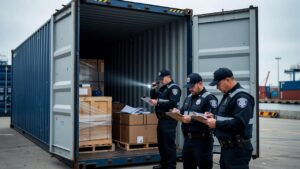
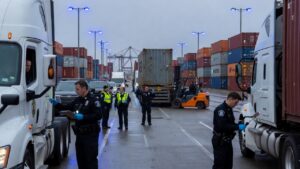
- Increased CBP enforcement: Higher exam rates, more aggressive origin verification, and UFLPA scrutiny for goods with any Xinjiang supply chain connection.
- Bond requirements: Regular FBA importers likely need a continuous customs bond. Many bonds have been flagged as insufficient due to higher tariff obligations.
The FBA Import Process — Customs Compliance Basics
When you ship inventory from a foreign country to an Amazon fulfillment center, the shipment goes through U.S. customs before being delivered to Amazon’s warehouse. You are the Importer of Record (IOR) — you are legally responsible for accurate classification, duty payment, and compliance with all CBP and FDA/USDA regulations.
Amazon will not serve as your IOR. Amazon requires that all FBA inventory arrive already cleared through U.S. customs. If your shipment arrives without proper customs clearance, it will be refused at the fulfillment center.
Your FBA customs process:
- Determine HTS codes for all products in your shipment
- Engage a licensed customs broker (or freight forwarder with brokerage capability)
- For ocean shipments: file ISF 24 hours before vessel loading
- Provide commercial invoice, packing list, and bill of lading to your broker
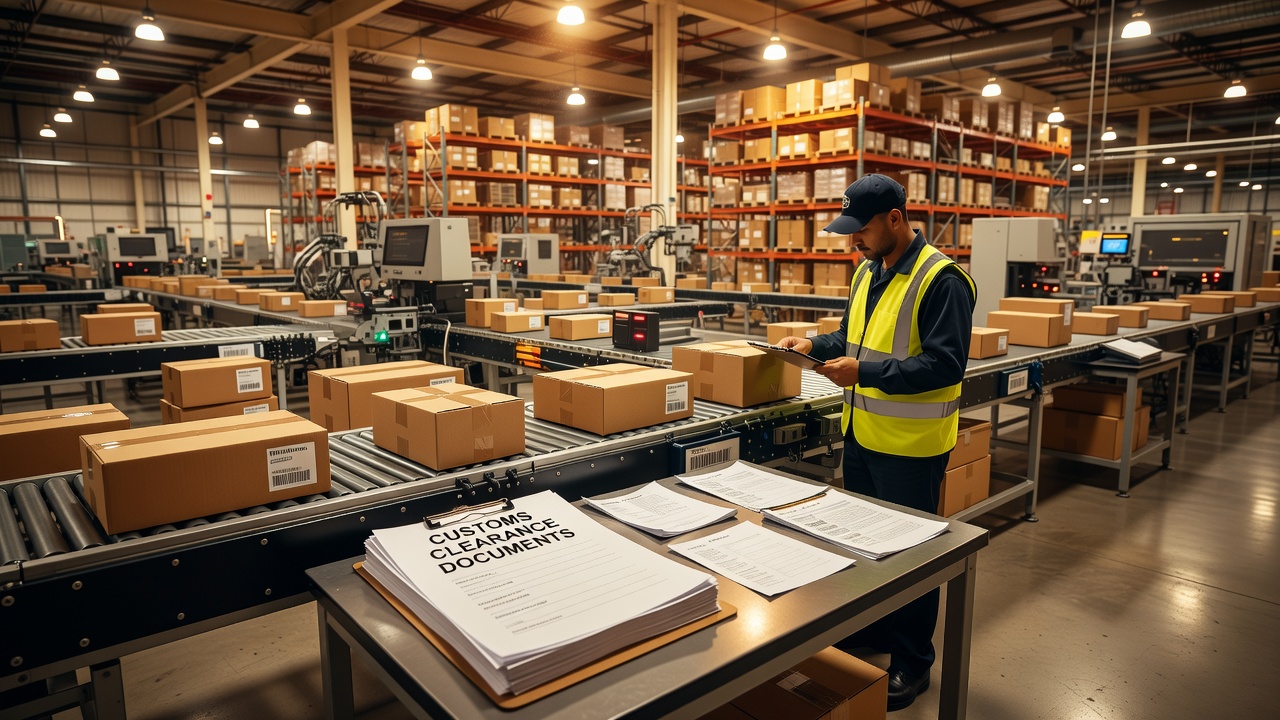
- Broker files formal entry in ACE; duties are calculated and paid
- CBP releases the shipment; your freight forwarder delivers to the Amazon fulfillment center
Section 301 Tariffs and FBA Profitability
The biggest financial hit for FBA sellers sourcing from China is Section 301 tariffs. Here’s the real-world impact:
Example: Electronics accessory, $8 unit cost
MFN tariff: 4% = $0.32
Section 301 List 3 tariff: 25% = $2.00
Merchandise Processing Fee: ~$0.05
Total additional cost: ~$2.37 per unit On a 1,000-unit FBA shipment, that’s $2,370 in duties that weren’t there before 2018. At current tariff levels, China-sourced FBA goods have become significantly less competitive vs. alternatives from Vietnam, India, or Mexico. Strategies FBA sellers are using:
MFN tariff: 4% = $0.32
Section 301 List 3 tariff: 25% = $2.00
Merchandise Processing Fee: ~$0.05
Total additional cost: ~$2.37 per unit On a 1,000-unit FBA shipment, that’s $2,370 in duties that weren’t there before 2018. At current tariff levels, China-sourced FBA goods have become significantly less competitive vs. alternatives from Vietnam, India, or Mexico. Strategies FBA sellers are using:
- Sourcing diversification to non-Section 301 countries
- Applying for product-specific Section 301 exclusions (check USTR.gov)
- Adjusting pricing to reflect true landed cost
- Focusing on product categories with lower duty rates (check HTS before reordering)
Customs Bond Requirements for FBA Sellers
If you import regularly to Amazon FBA, you almost certainly need a continuous customs bond. CBP requires a bond for all formal entries (shipments over $2,500). A continuous bond covers all your entries across all ports for a 12-month period — it’s more cost-effective than a single-entry bond if you ship more than 2–3 times per year.
Bond amount: minimum $50,000, sized to 10% of your annual duty obligation. If your annual FBA import duty bill exceeds $500,000 (which is achievable for high-volume sellers paying 25% Section 301 tariffs), your bond must be correspondingly larger. Many FBA sellers received bond insufficiency notices from CBP in 2025–2026 — review your bond now if you haven’t done so since the tariff increases.
UFLPA Risk for FBA Sellers
If any of your FBA products are manufactured in or contain components from China’s Xinjiang region, you face UFLPA risk. Cotton-content apparel, electronics with certain components, and any goods linked to Xinjiang suppliers can trigger CBP detention, requiring extensive supply chain documentation to secure release.
For FBA sellers, a CBP UFLPA hold means your inventory sits in a CBP examination facility (not at Amazon’s fulfillment center) while you gather documentation. Amazon SLA commitments and restock timelines go out the window. The safest approach: audit your supply chain for any Xinjiang connection before it ships.
FBA Importing Made Compliant — FreightClear Has You Covered
FreightClear.com handles customs clearance for Amazon FBA importers — accurate HTS classification, ISF filing, duty calculation, and full CBP compliance. We deliver your inventory cleared and ready for Amazon.