📅 July 2026 Update: Customs compliance is more demanding than ever. Section 301 tariff stacking (MFN + 25% + ADD/CVD) means misclassification that underpays duty triggers CBP audits and substantial civil penalties. De minimis globally suspended August 2025 — all shipments need proper entry. CBP has dramatically increased origin verification scrutiny. UFLPA (Uyghur Forced Labor Prevention Act) enforcement applies broad Xinjiang presumption — documentation is essential for any China supply chain exposure.
The Importance of Customs Compliance
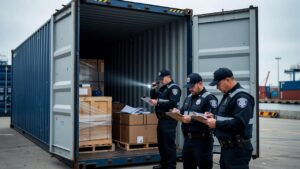
Customs compliance means ensuring that all U.S. import and export transactions meet the legal requirements of CBP, FDA, USDA, and any other applicable government agency. Non-compliance isn’t just a paperwork problem — it results in financial penalties, cargo seizure, import privileges revoked, and in serious cases, criminal prosecution.
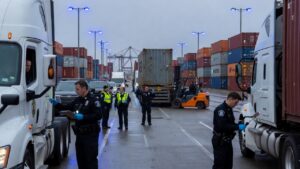
In 2025–2026, the stakes have never been higher. CBP has significantly increased its audit and enforcement activity, driven by the complex tariff environment and Congressional pressure to enforce trade laws rigorously.
Key Compliance Areas for 2025–2026
HTS Classification Accuracy
Every imported product must be classified with a 10-digit HTS code. The code determines: the MFN duty rate, whether Section 301 or ADD/CVD applies, whether any import restrictions exist, and the statistical reporting category. Incorrect classification — even if unintentional — can result in:
- Duties owed + interest (CBP can re-liquidate entries up to 4 years back)
- Penalties of up to 4x the unpaid duties for negligent violations
- Up to 8x unpaid duties for fraudulent misclassification
Country of Origin Verification
CBP has dramatically increased origin verification in 2025–2026. Importers claiming goods are manufactured in a third country (to avoid China Section 301 tariffs) must be able to document substantial transformation. Transshipment through Vietnam, Mexico, or other countries without genuine manufacturing operations is aggressively investigated and prosecuted. Country-of-origin marking requirements (19 U.S.C. 1304) must also be satisfied.
Uyghur Forced Labor Prevention Act (UFLPA)
UFLPA creates a rebuttable presumption that goods made wholly or in part in China’s Xinjiang region were produced using forced labor — and are therefore banned from U.S. import (19 U.S.C. 1307). To overcome this presumption, importers must provide:
- Complete supply chain traceability from raw material to finished goods
- Evidence of no Xinjiang-origin inputs at any production stage
- Third-party audits and supplier certifications
Valuation Compliance
The customs value (transaction value) must accurately reflect what was actually paid for the goods. Under-valuation (artificially low invoices to reduce duty obligations) is a serious federal offense. CBP’s Revenue Branch actively monitors for valuation fraud, particularly on high-duty goods.
Building a Compliant Import Program
Maintain a Customs Compliance Manual: Document your classification methodology, valuation procedures, and country-of-origin verification processes. A written compliance program is evidence of good faith if CBP audits you.
Use a Licensed Customs Broker: Brokers are licensed by CBP and carry E&O insurance. Their classification expertise and system access reduce your compliance risk significantly.
Conduct Periodic Internal Audits: Review your top-10 HTS codes annually. Verify that Section 301 exclusions you claim are still valid (many require affirmative renewal). Check that your continuous bond amount is current.
Consider C-TPAT Certification: The Customs-Trade Partnership Against Terrorism program reduces exam rates, expedites cargo release, and demonstrates your supply chain security commitment to CBP.
Customs Compliance Services for USA Importers
FreightClear.com offers comprehensive customs compliance support — HTS classification review, UFLPA supply chain due diligence, ADD/CVD analysis, and accurate ACE filing. Import with confidence.