📅 July 2026 Update: (1) MoCRA: Cosmetics facility registration required, GMP rule finalized December 2025. (2) FSMA Food Traceability Rule: compliance deadline extended to July 20, 2028 — but preparation should begin now. (3) FDA ImportShield Program launched August 2025 — increased hold/detention rates for non-compliant shipments. (4) Section 301 tariffs apply to FDA-regulated goods from China. Ensure ACE and FDA filings are aligned — mismatched codes are the leading cause of holds.
What Is FDA Customs Clearance?
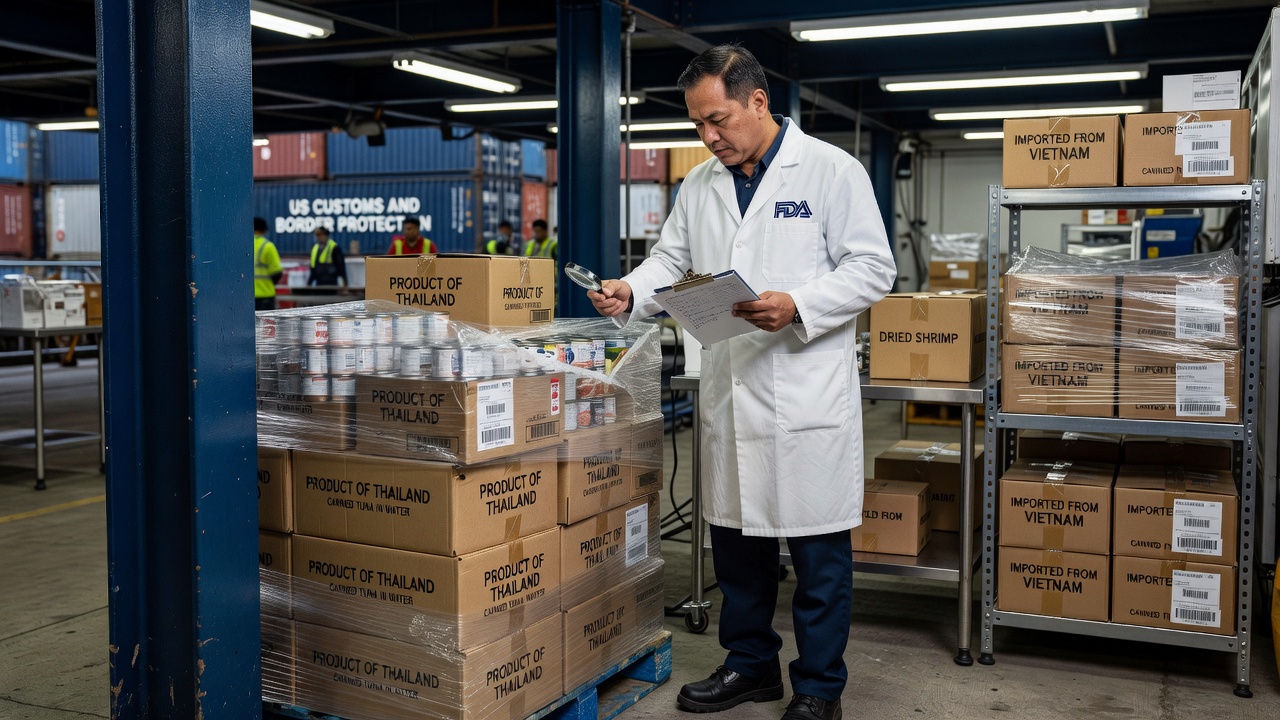
FDA customs clearance is the process by which the U.S. Food and Drug Administration reviews and approves the entry of FDA-regulated products into the United States. The FDA works alongside CBP to screen, hold, or refuse import entries for products that don’t meet U.S. safety and labeling standards.
FDA-regulated products include: human food and beverages, dietary supplements, cosmetics and personal care products, pharmaceuticals, medical devices, tobacco products, and certain electronic cigarettes. Each category has its own regulatory framework, documentation requirements, and compliance standards.
The FDA Customs Clearance Process
Prior Notice (Food): Before food (including dietary supplements) arrives at a U.S. port, the importer must file a Prior Notice through FDA’s PNSI system: at least 8 hours before arrival for international air shipments, 24 hours for ocean.
ACE Integration: FDA entry data is filed through CBP’s ACE system. FDA uses its PREDICT automated targeting system (now enhanced by the ImportShield Program, launched August 2025) to identify high-risk shipments for review.
FDA Review: FDA electronically reviews the entry data. For most compliant shipments, this takes minutes. For flagged shipments, FDA may issue a: (1) May Proceed notice (green light), (2) Detention Notice (hold for physical exam or lab sampling), or (3) Refusal of Admission (the shipment cannot enter the U.S.).
Resolution: Detained shipments can be reconditioned, re-exported, or destroyed. Importers have limited time to respond. Legal counsel and experienced customs brokers are critical when facing FDA detention.
Common FDA-Regulated Products and 2025–2026 Updates
Food and Beverages
All imported food for U.S. consumption must come from a registered foreign facility. The FSMA Foreign Supplier Verification Program (FSVP) requires U.S. importers to verify that their foreign suppliers meet U.S. food safety standards through documented risk-based activities. The FSMA Food Traceability Rule (Section 204) compliance deadline was extended to July 20, 2028 — but supply chain traceability documentation should be implemented now for high-risk foods (leafy greens, shell eggs, fresh herbs, nut butters, etc.).
Cosmetics and Personal Care Products (MoCRA 2025–2026)
MoCRA (Modernization of Cosmetics Regulation Act of 2022) represents the most significant expansion of FDA cosmetics authority since 1938. Key 2025–2026 requirements:
- Facility Registration: All manufacturers and processors of cosmetics distributed in the U.S. must register with FDA. FDA can suspend registration if products pose serious health risks — suspended facilities cannot ship to the U.S.
- Product Listing: Responsible persons must annually list products and ingredients with FDA.
- GMP Compliance: FDA’s cosmetics GMP rule was finalized in December 2025.
- Adverse Event Reporting: Serious adverse events must be reported to FDA within 15 business days.
Pharmaceuticals and Medical Devices
Prescription drugs and medical devices require FDA marketing authorization (NDA/ANDA for drugs; 510(k)/PMA for devices) before import. Unapproved products are subject to immediate refusal. Personal importation exceptions exist for small quantities for personal use under specific conditions.
Tobacco Products
Tobacco products require FDA PMTA (Premarket Tobacco Product Application) authorization. CBP enforces FDA’s import regulations for tobacco — non-compliant shipments face detention and refusal.
Tips for Smooth FDA Customs Clearance
- Align CBP and FDA filings: Product descriptions, country of origin, and facility codes must be consistent between your ACE entry and FDA data — inconsistencies trigger automatic holds.
- Register facilities before shipping: For cosmetics, ensure your foreign manufacturer has completed MoCRA facility registration with FDA.
- File Prior Notice accurately: Errors in Prior Notice (wrong HTS, missing manufacturer info) can cause detention of otherwise compliant food shipments.
- Work with an experienced broker: FDA clearance requires knowledge of both CBP and FDA systems. A licensed customs broker with FDA experience dramatically reduces your detention risk.
- Monitor Import Alert status: CBP and FDA automatically detain shipments from suppliers on Import Alerts. Check FDA’s Import Alert list before ordering from new foreign suppliers.
FDA-Regulated Imports? Get Expert Clearance Support
FreightClear.com’s customs brokers are experienced in FDA-regulated product clearance — food, beverages, cosmetics, medical devices, and more. We ensure your ACE and FDA filings are aligned and your shipments move without holds.