Understanding Customs Clearance for Air Freight
The Air Freight Customs Clearance Process
Step 2 — Entry filing in ACE: Your customs broker files an informal entry (for shipments under $2,500) or formal consumption entry in ACE. For FDA-regulated goods, a Prior Notice must be submitted through FDA’s PNSI at least 4 hours before arrival (8 hours for international air).
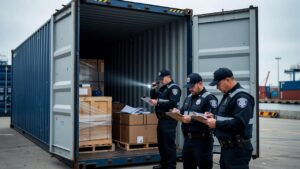
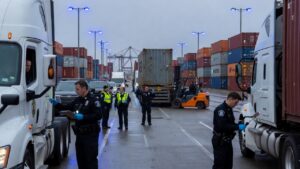
Step 3 — CBP review and exam selection: CBP uses automated targeting to determine which shipments to inspect. The Automated Targeting System (ATS) scores shipments for risk — high-value, high-duty goods from certain origins face elevated exam rates in 2025–2026.
Step 4 — Payment of duties and fees: Duties calculated on HTS classification: MFN duty + applicable Section 301 tariffs (China origin) + ADD/CVD (if subject) + Merchandise Processing Fee. No Harbor Maintenance Fee for air imports.
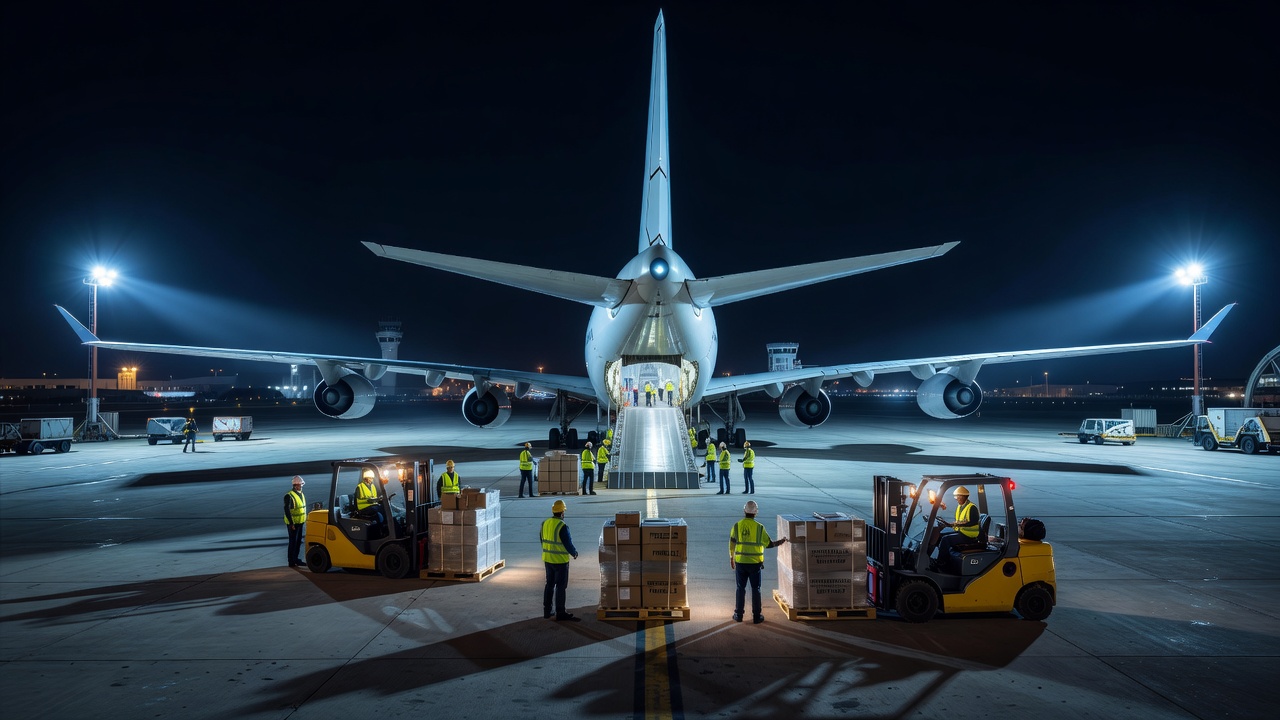
Step 5 — Release: Once CBP releases the entry, the airline or freight forwarder delivers to the importer or designated agent.
Key Players in Air Freight Customs Clearance
- Customs Broker: Files the entry, classifies goods (10-digit HTS), calculates duties, and communicates with CBP. For air freight, speed is critical — experienced brokers pre-classify before the aircraft lands.
- Freight Forwarder: Arranges air transport, issues AWB, consolidates shipments, and coordinates delivery. Many forwarders have in-house customs brokerage.
- Airlines/Ground Handlers: Hold cargo until CBP release. Demurrage and handling fees accrue if clearance is delayed.
- CBP and FDA: CBP manages entry; FDA reviews Prior Notices for regulated products and can issue Refusal of Admission notices for non-compliant goods.
Common Challenges in Air Freight Clearance (2025–2026)
- Incomplete documentation: Missing AWB data, invoice discrepancies, or absent permits cause immediate holds. Pre-shipment documentation review is essential.
- Increased exam rates: CBP has significantly elevated exam selections in 2025–2026. Demurrage costs at air facilities can accumulate quickly — budget for 2–5 day potential delays.
- Tariff complexity: Section 301 surcharges on Chinese-origin air freight, combined with the end of de minimis, have dramatically increased duty exposure for many importers. Work with a broker to verify correct classification before shipping.
- FDA holds: Cosmetics shipped without MoCRA-compliant facility registration face immediate detention. Food shipments must have FSMA-compliant FSVP documentation on file.
- Unexpected costs: Exam fees, storage charges, and CBP penalty exposure for misfiled entries — a licensed broker’s accuracy pays for itself many times over on high-value air shipments.